
The king holds Athens, and the acropolis is burned
Reconstructed from historical sources
The Persians hold Athens and have burned the acropolis, the Peloponnesians wall the Isthmus, and at Salamis Themistocles persuades Eurybiades to keep the allied fleet in the strait and fight.
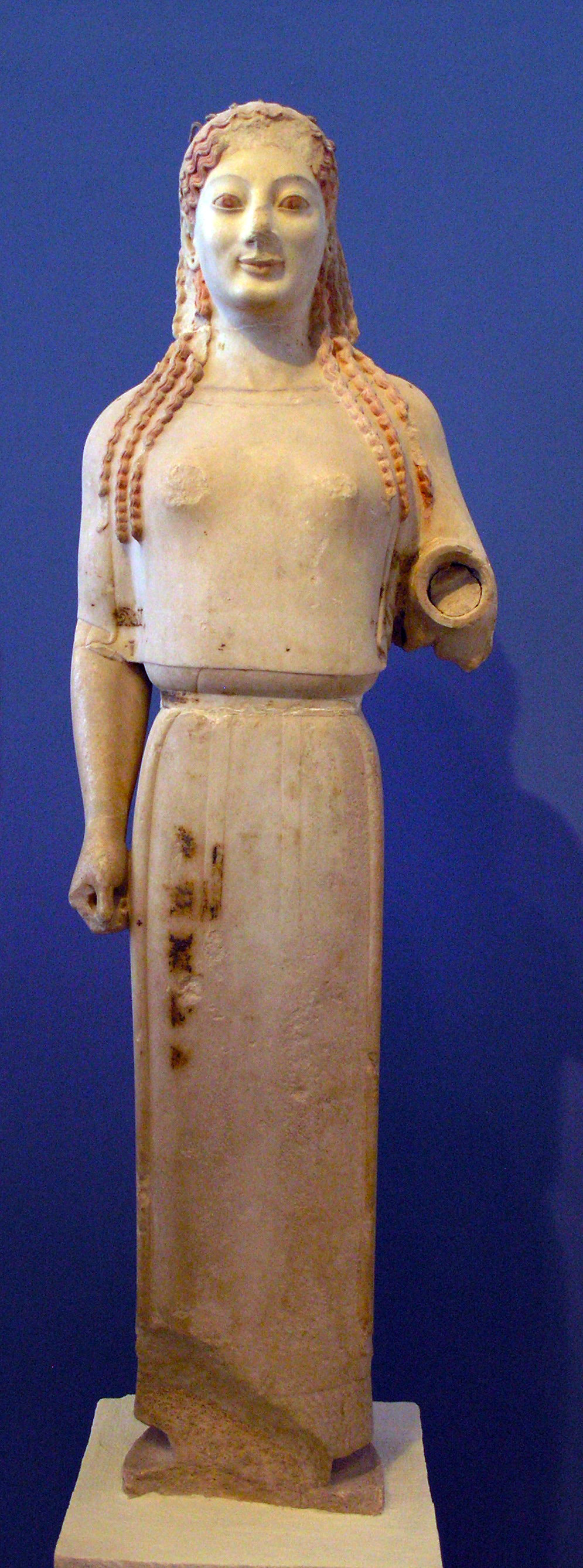
ATHENS.—The Persians are masters of Athens, and today they stormed the acropolis, killed those who had taken refuge there and set the whole citadel on fire.
The king’s army has come down into Attica and is laying the country waste with fire. It found the city deserted, its people gone across the water to Troezen, Aegina and Salamis.
Only a few Athenians stayed behind: stewards of the sacred precinct, and poor men. They had not gone over to Salamis for want of means, and because they took the oracle’s wooden wall to mean the citadel itself and believed it could not be taken.
In the sacred precinct they shut themselves in behind a fence of doors and logs. The Persians took up a position on the Areopagus and shot arrows wrapped in burning tar into the barricade.
The Pisistratids offered the defenders terms. They would not hear of them, and rolled boulders down on the men coming against them.
The way up was found by the precinct of Aglaurus, daughter of Cecrops. The rock there is a sheer cliff and was left unguarded, and some of the Persians climbed it. Some of the Athenians threw themselves from the wall and were killed; others fled into the chamber.
The Persians who were up first opened the gates and killed the suppliants. Then they plundered the sacred precinct and set fire to the entire acropolis.
The king has sent a horseman to Susa to tell Artabanus of his success.
Herodotus, Histories, book 8, tr. A. D. Godley (Loeb, 1920; modernised by Perseus) · Herodotus, Histories, book 8, tr. A. D. Godley (Loeb, 1920; modernised by Perseus).

